Reach Reporting vs Datarails
Reporting Made Easy

in Reach Reporting
More flexibility, more automation, more clarity. From data integration and AI-powered analysis to presentation-ready storytelling, here's why accounting and advisory teams choose Reach Reporting over Datarails.
no credit card required


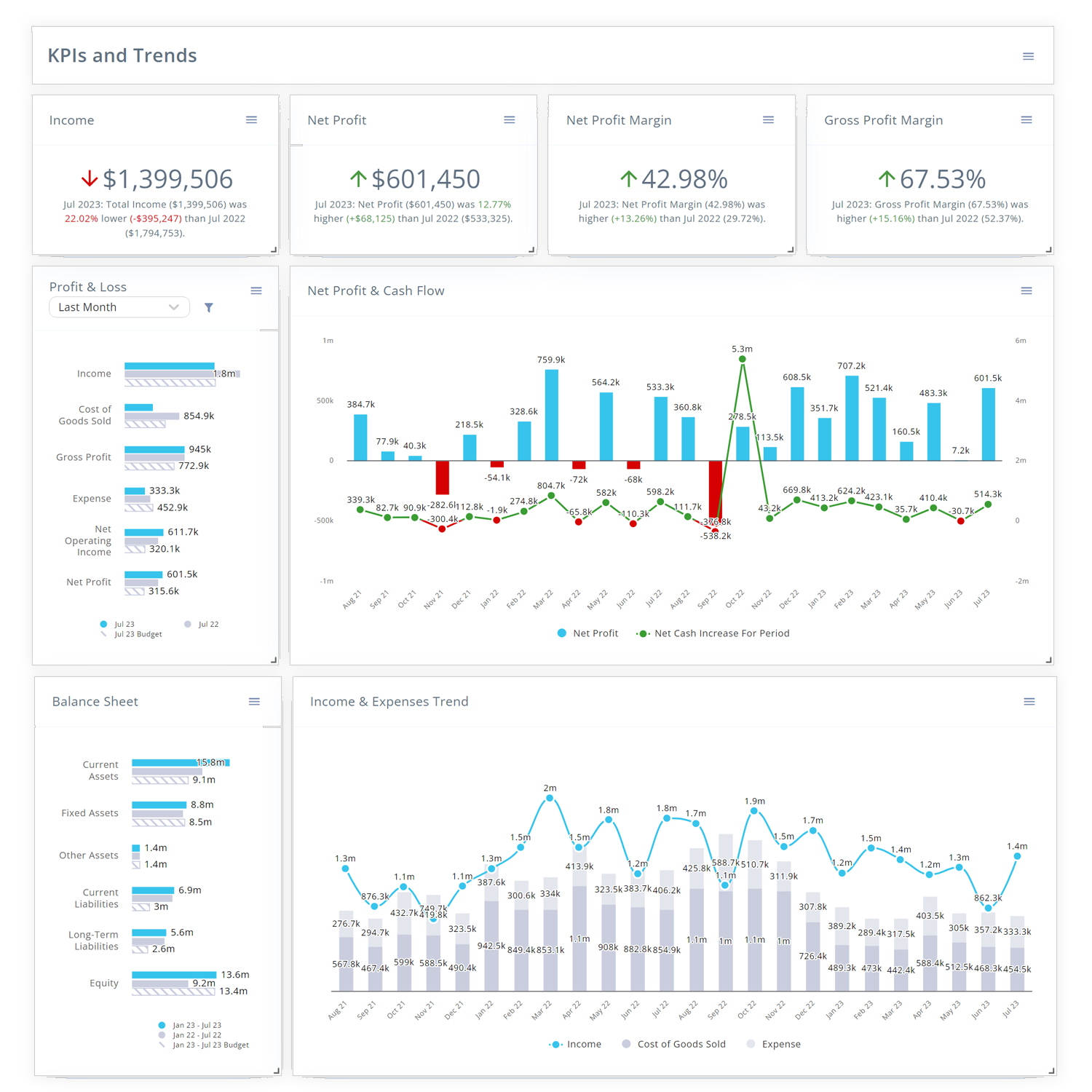
Connect Financial Data
Integrate your accounting software or use a CSV Trial Balance to upload data.
Automated and Flexible Spreadsheets
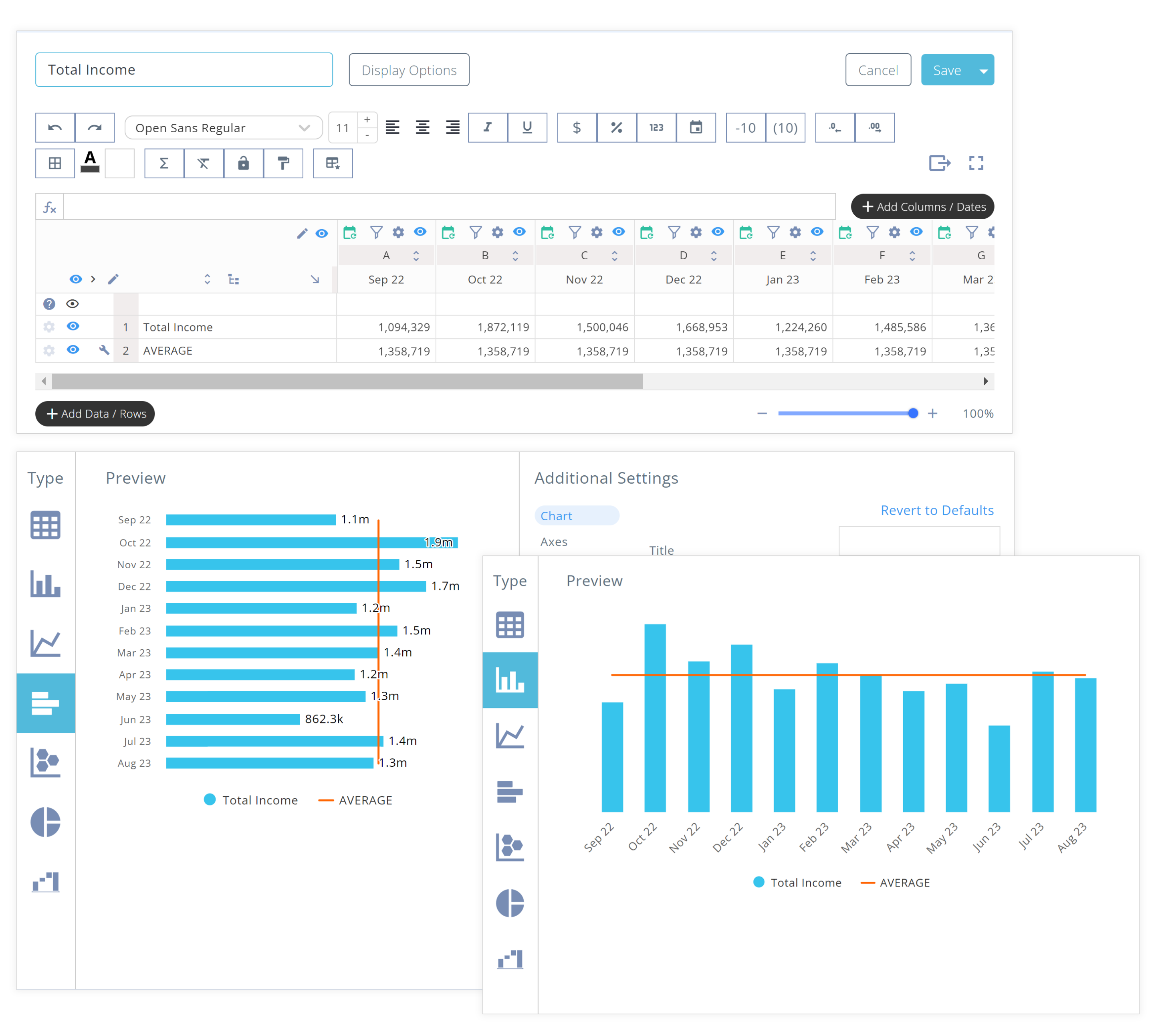
Enter the world of self-service reporting and let Reach Reporting automatically visualize your key business drivers. Or create your customized dashboards and reports in a familiar spreadsheet environment.
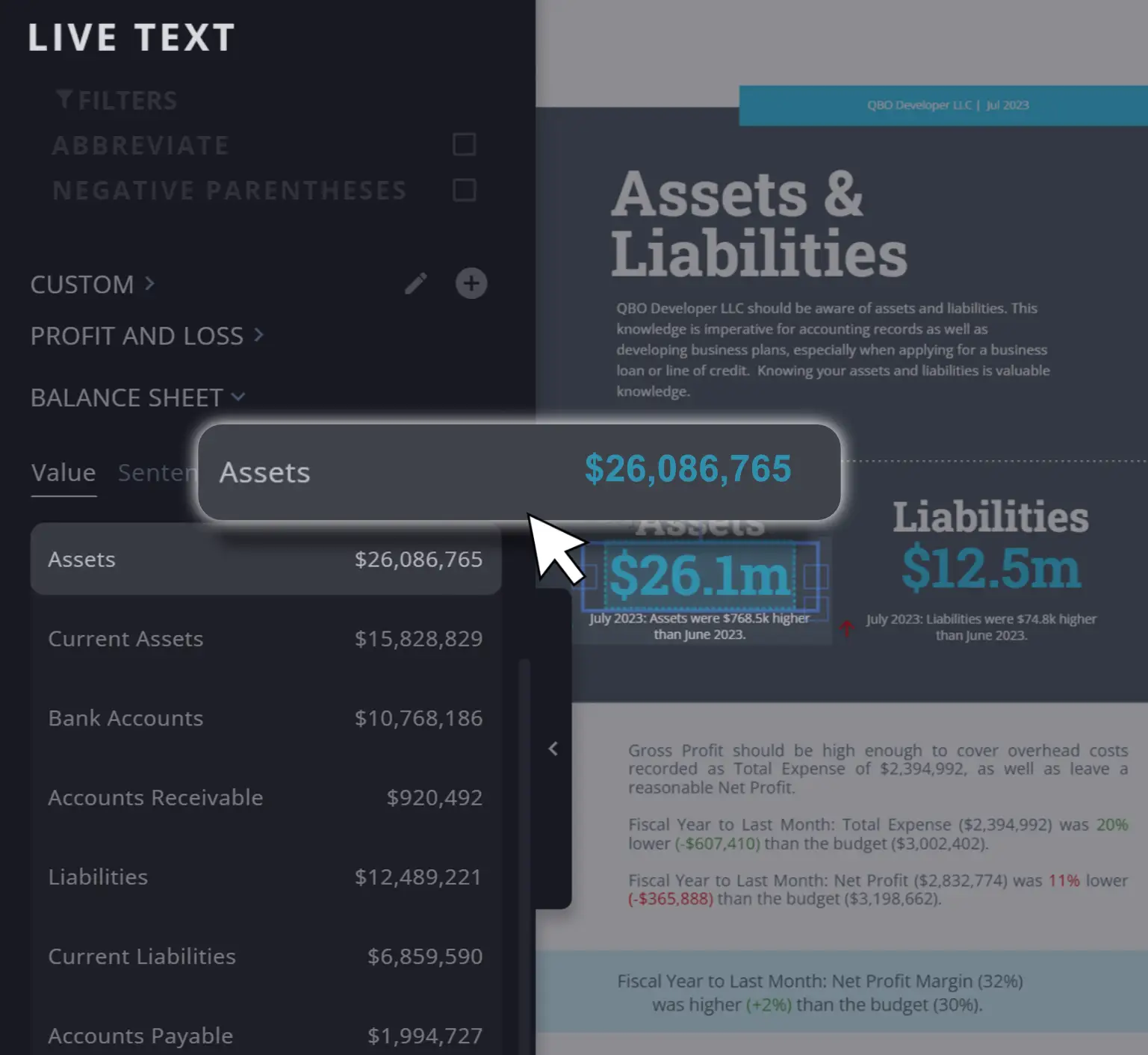
Financial Data Storytelling
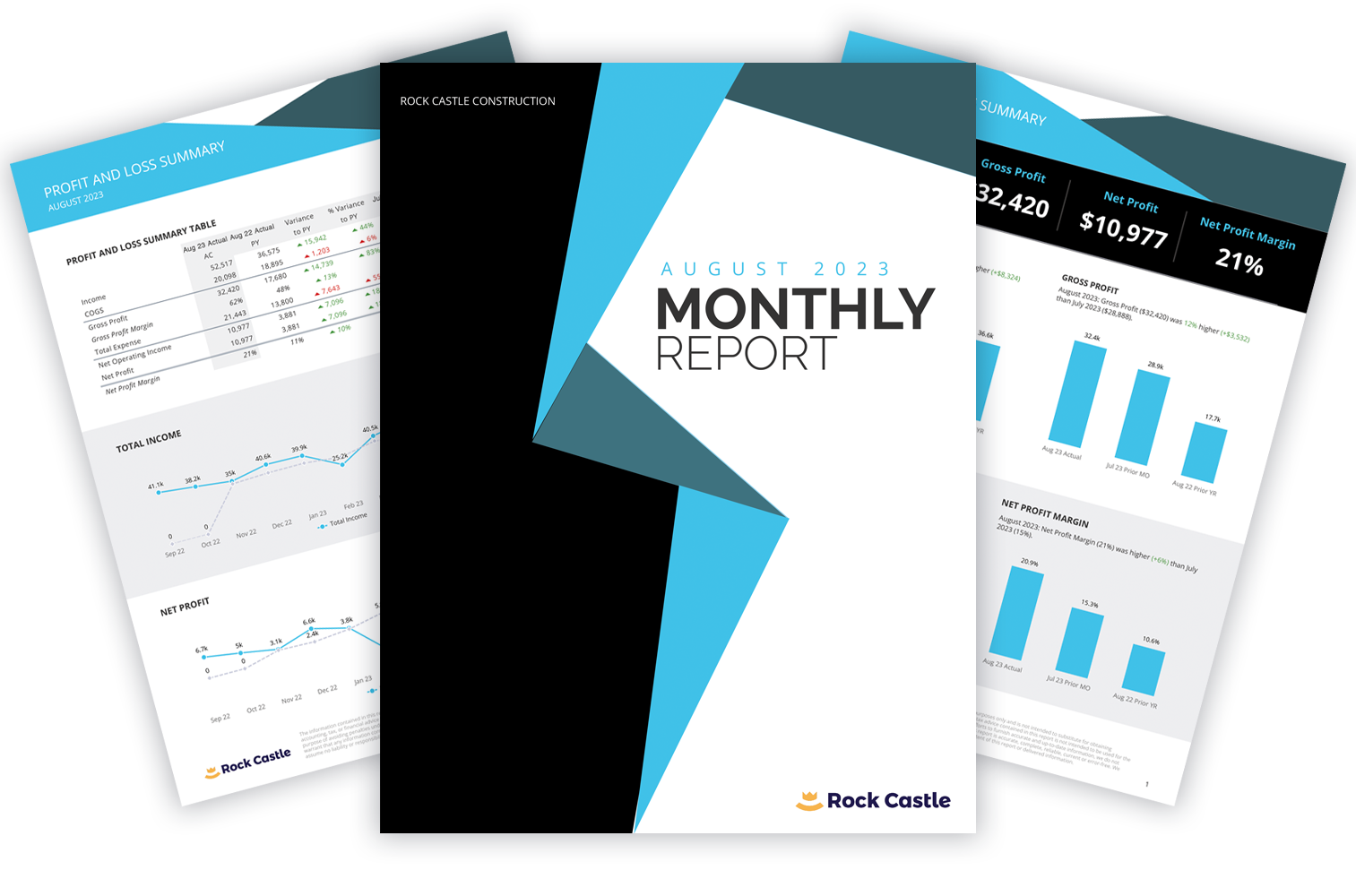
Put your data into the right perspective with advanced features such as dynamic statements, interactive metrics, and live text. Drill down into underlying data. Use your own branding and colors.
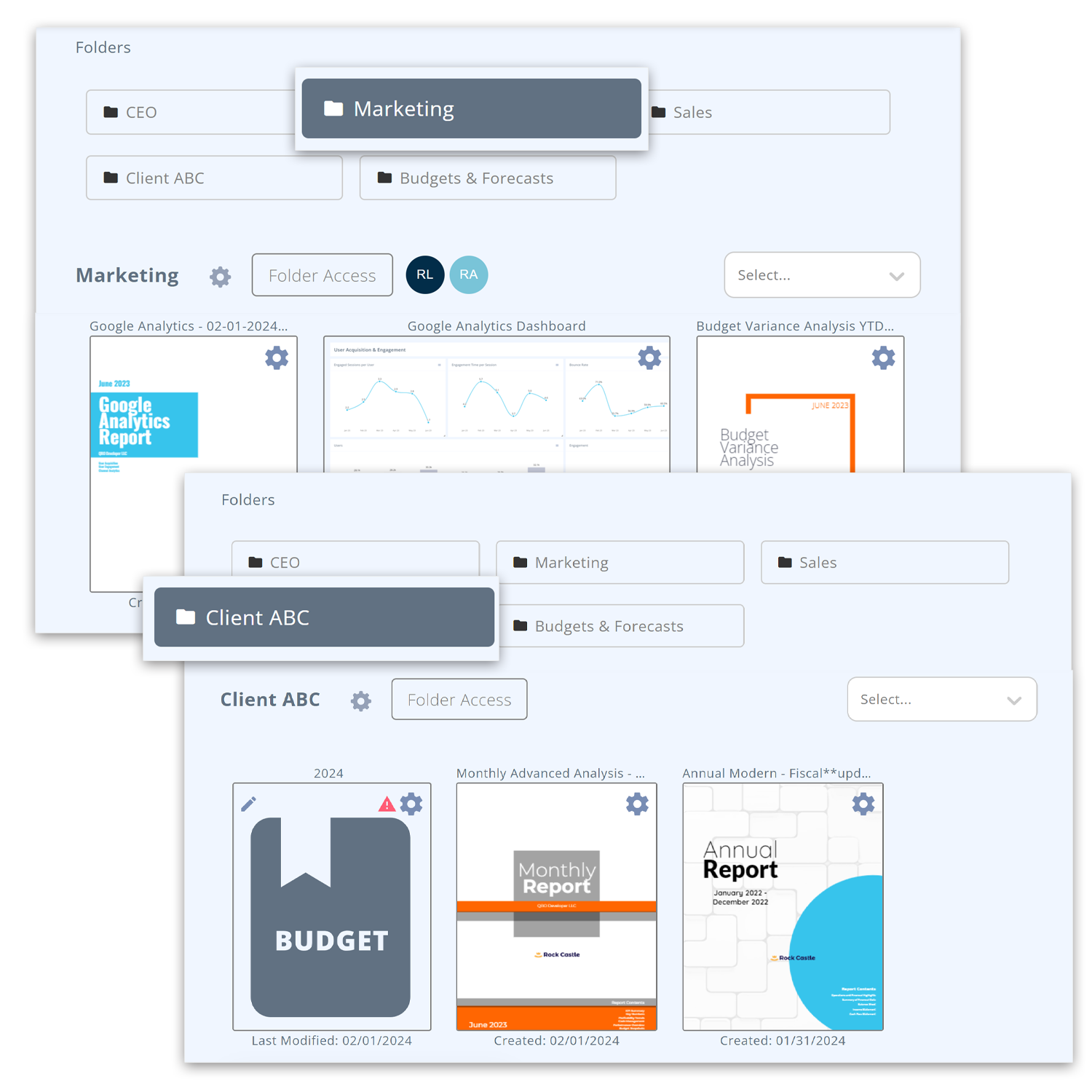
Share Reports
Share reports and dashboards for strategic and actionable decision-making. Focus on driving business growth.
AI-Generated Reports and Dashboards
Tired of spending hours building reports and dashboards? Our latest AI-powered features take financial reporting to the next level—automating data insights, generating reports in seconds, and creating stunning dashboards effortlessly.
Visual Metrics
Once set up, your reports and dashboards are dynamically updated as data flows in. Repetitive tasks are in the past.

Save hours transforming data.
Make smarter decisions faster.
How can Reach Reporting help your business?
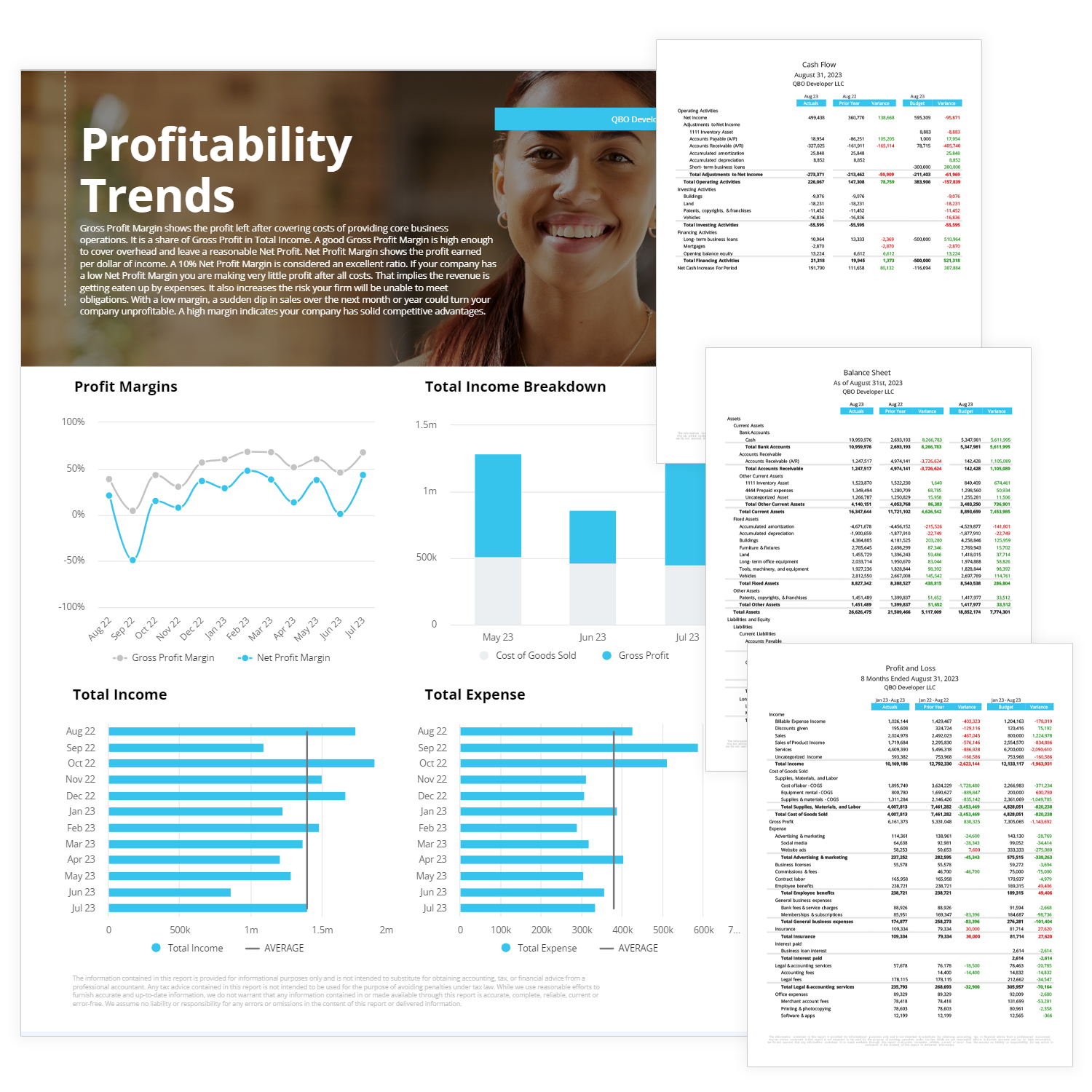
Automated Monthly Close
See how companies are automating their Profit & Loss, Balance Sheet, and Cash Flow statements faster and improving their business decisions.
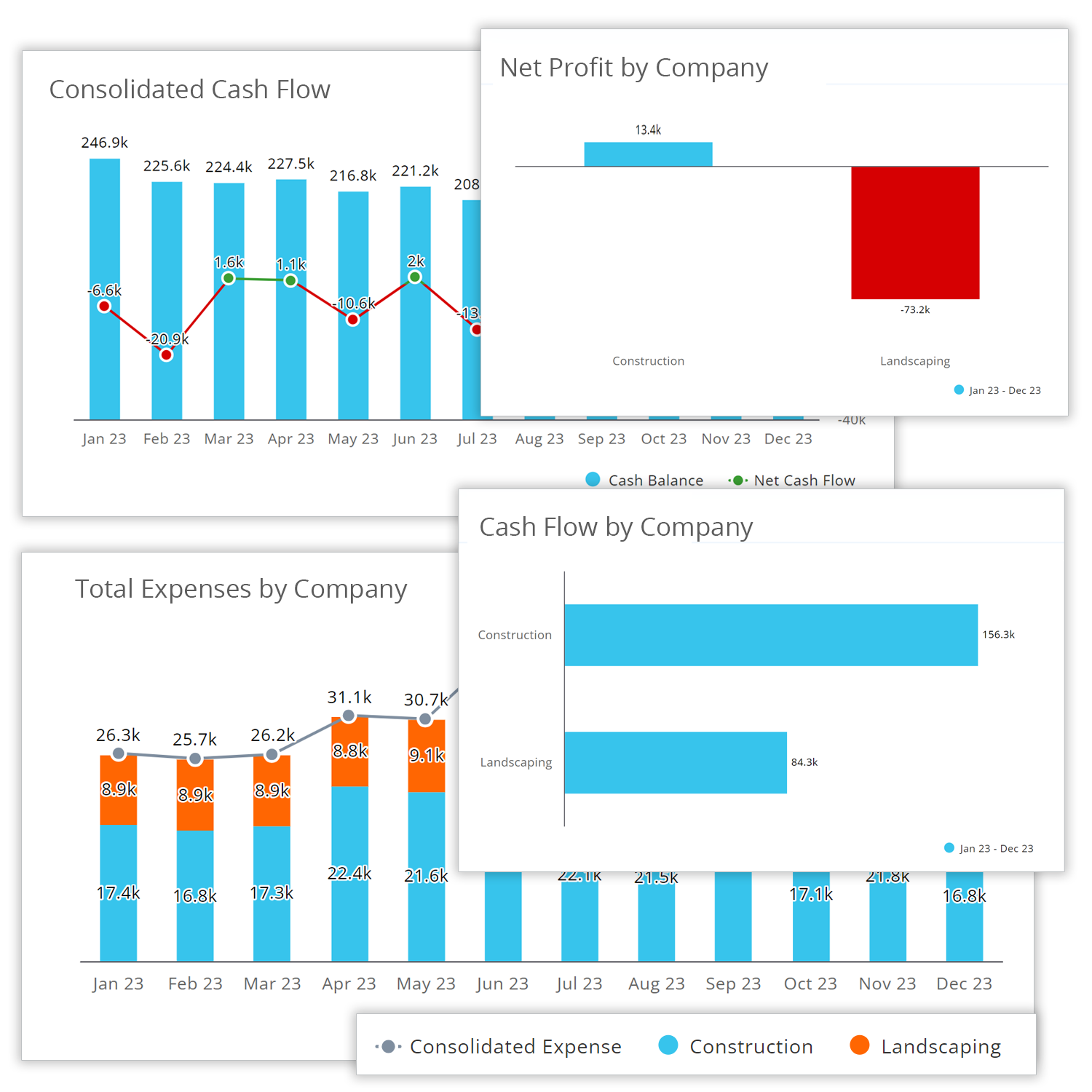
Automated Multi-Business Consolidation
Consolidate your financials and easily convert them into a currency of your choice.
3-Way Planning, Budgeting, and Forecasting
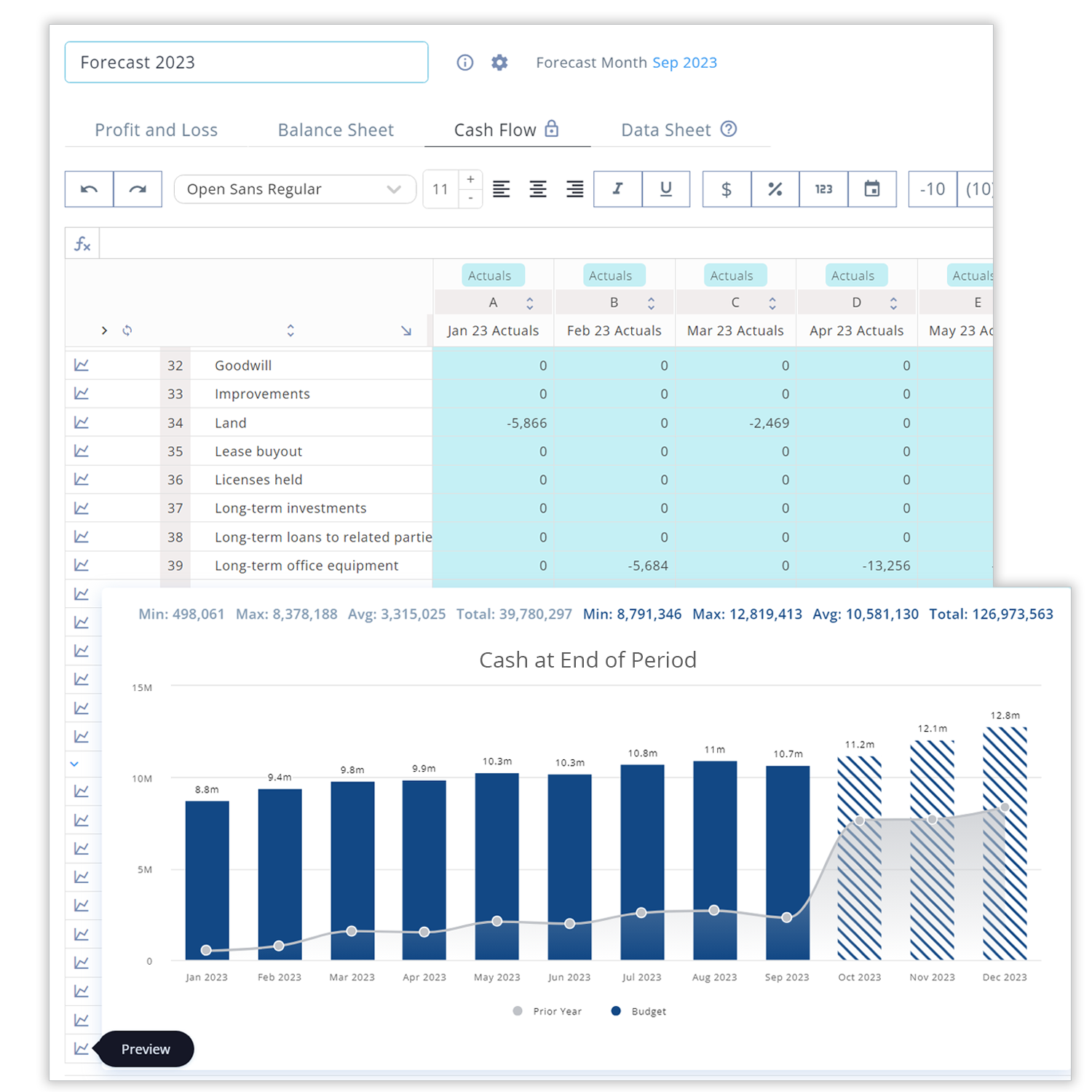
Our integrated 3-way forecasting provides a complete picture of projected business scenarios in minutes by seamlessly integrating the P&L, Balance Sheet, and Cash Flow Statement. Budget and forecast by department or class, and tweak drivers on your P&L to instantly visualize their impact on monthly cash flow and balance sheet positions.
Automate Financial Analysis
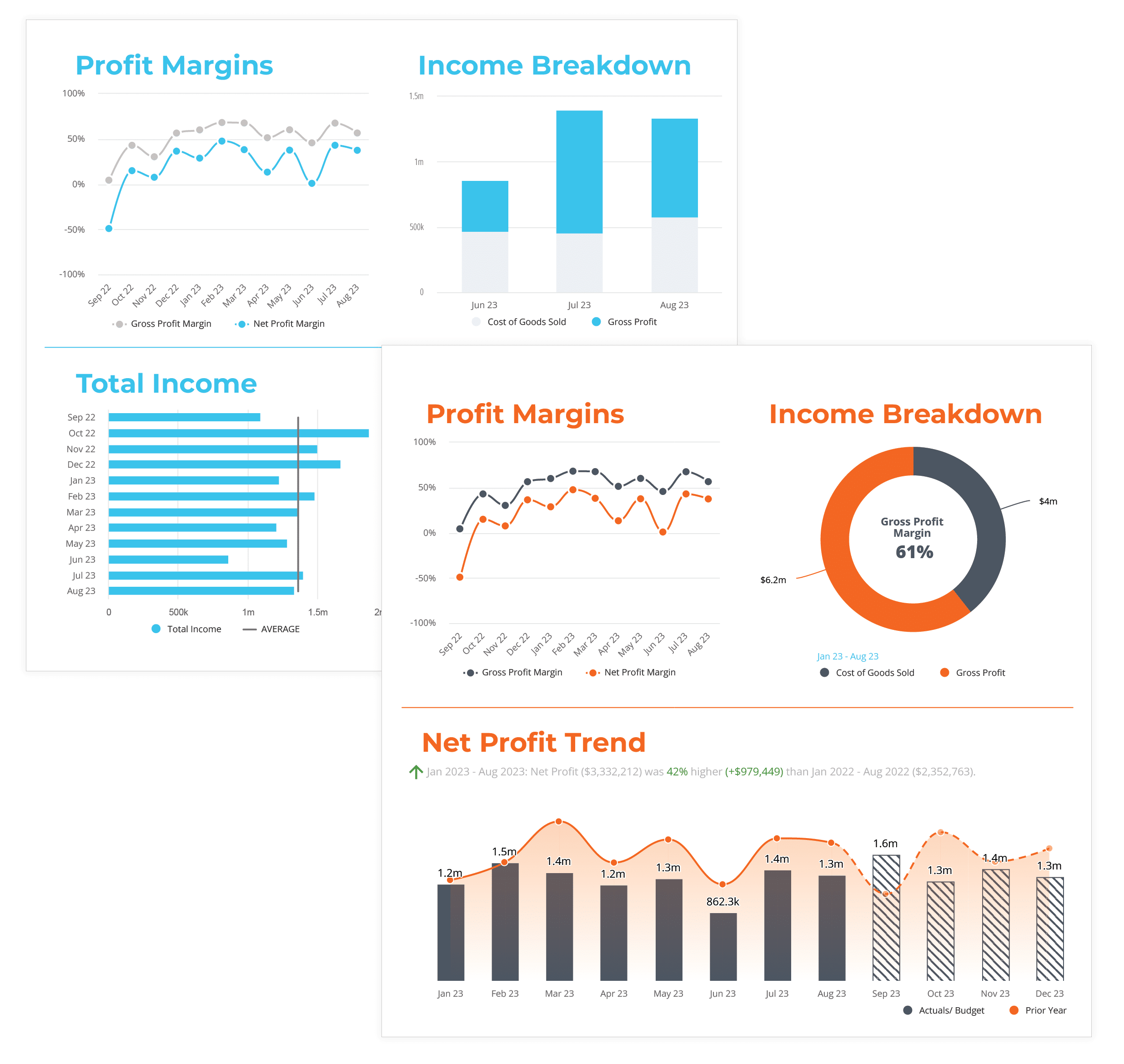
Shorten your report development cycles drastically and spend more time analyzing, understanding, and making strategic decisions. Then provide visual reports and dashboards that show your findings.
Non-Financial Integration
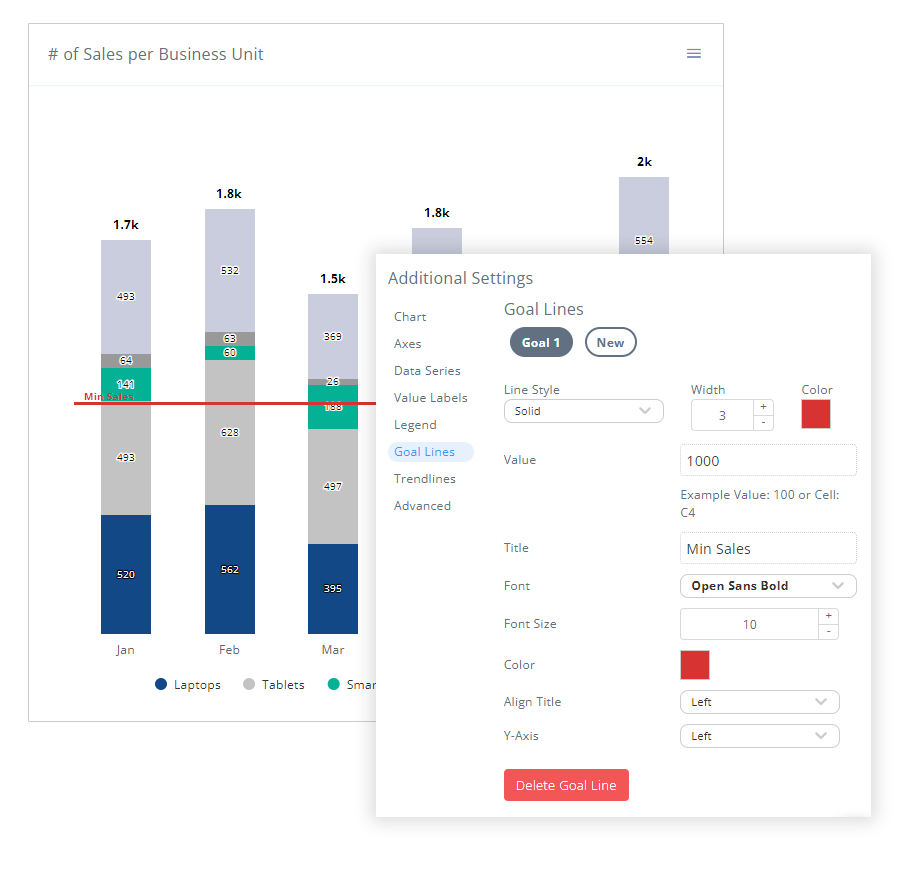
Bring in your non-financial data using our datasheets or Google Sheets. Create comprehensive dashboards and reports. Have all your data in one place.
FAQ: Compare Datarails and Reach Reporting
When evaluating financial reporting platforms, it’s important to understand how each solution approaches data management, reporting flexibility, and implementation. Below are common questions finance teams ask when comparing Datarails and Reach Reporting.
Feature comparisons are based on publicly available information and may vary depending on use case or implementation.
Is DataRails difficult to learn for some finance teams?
Some users report that while Datarails is powerful, mastering its advanced features may require structured onboarding and ongoing training, particularly for teams without deep technical or FP&A backgrounds.
Reach Reporting is designed around a familiar spreadsheet-style builder with guided workflows and templates tailored for accountants, helping reduce ramp-up time.
Does Datarails rely heavily on Excel?
Datarails is built to work directly within Excel, which many finance teams appreciate. However, maintaining complex Excel-based models can still require careful version control and formula management.
Reach Reporting allows teams to build flexible datasheets while pairing them with structured dashboards and presentation-ready reporting layers.
Are there limitations to dashboards or drill-down reporting in Datarails?
Some reviewers mention that certain dashboard features and drill-down workflows can require additional configuration depending on the reporting structure.
Reach Reporting combines dashboards with financial storytelling to help teams present insights clearly without excessive rework.
How does Datarails handle multi-entity consolidation?
Datarails supports consolidation across entities, but complex environments may require careful setup to ensure proper mapping and governance.
Reach Reporting provides consolidation workflows designed specifically for accounting and advisory firms managing multiple clients or business units.
How long does it typically take to implement Datarails?
Implementation timelines vary depending on data complexity and system integrations. Some teams report that setup and data configuration require detailed preparation.
Reach Reporting emphasizes rapid time-to-value with guided connectors and templated reporting structures.